

Chocolate, fruity or an exotic flavour? Choosing an ice cream flavour should be the only summer-related food drama. However, high temperatures, outdoor activities and eating on the go can increase the risk of foodborne illness. Fortunately, these risks can be minimized by following a few simple food safety practices.
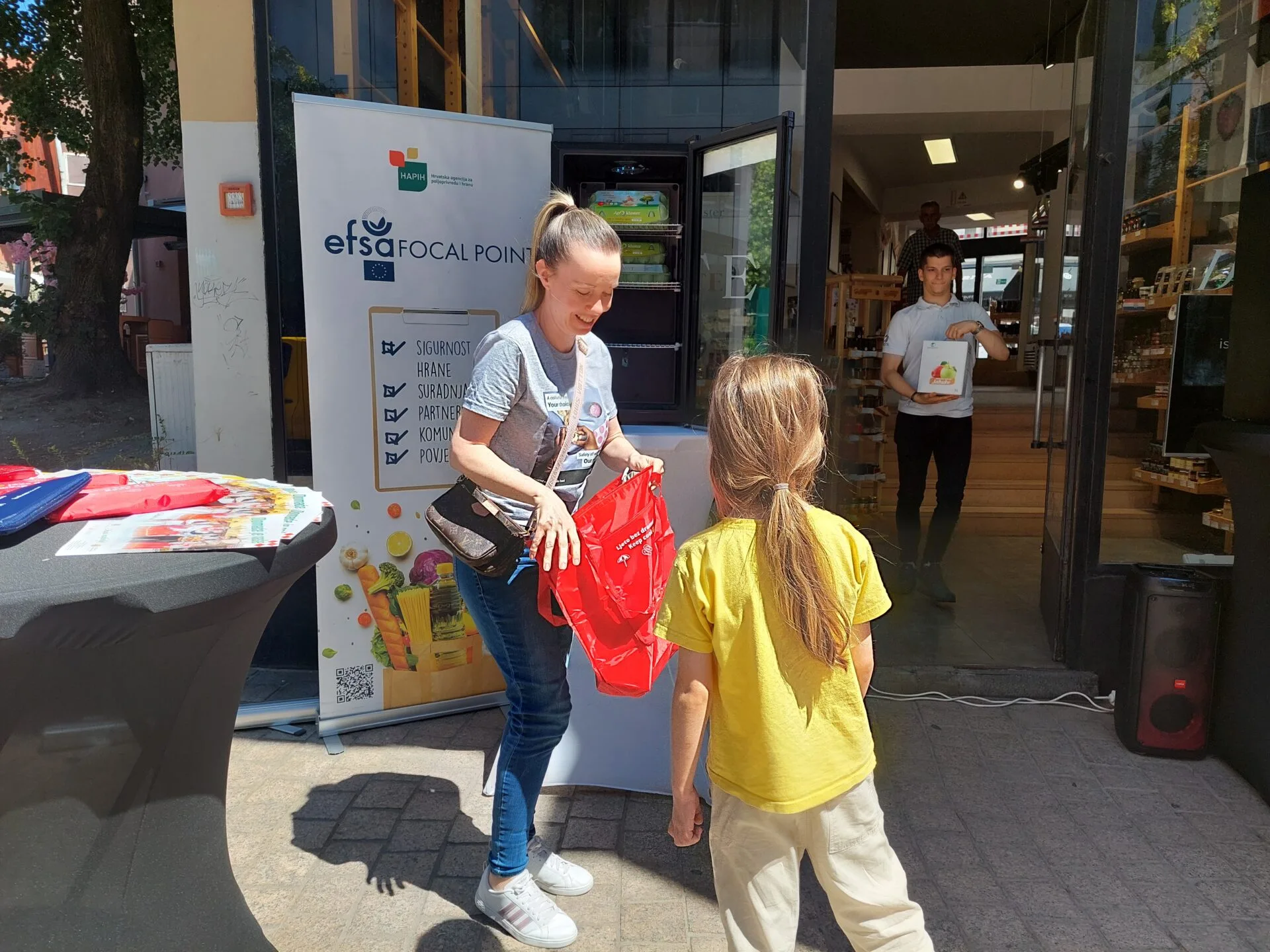
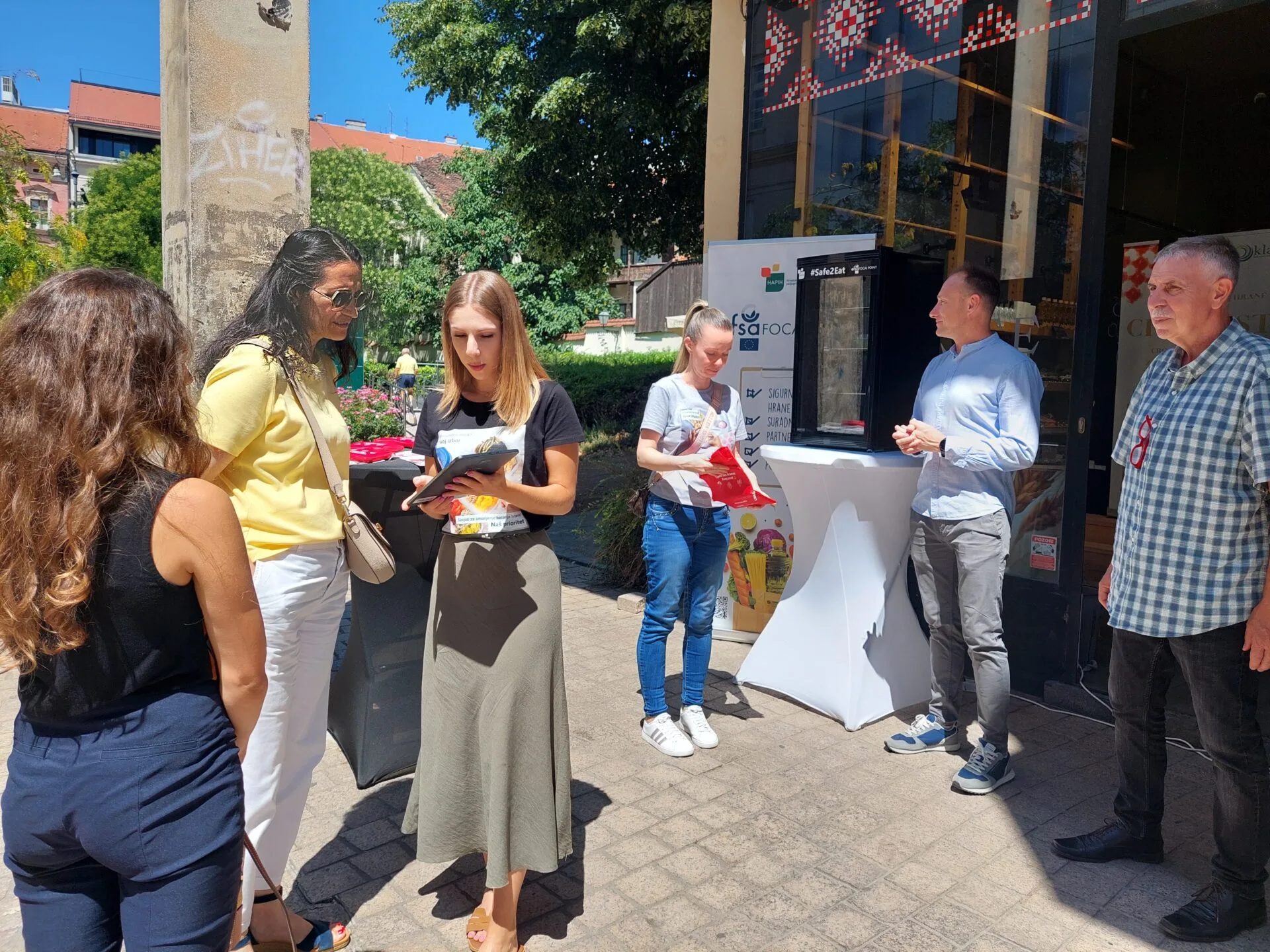
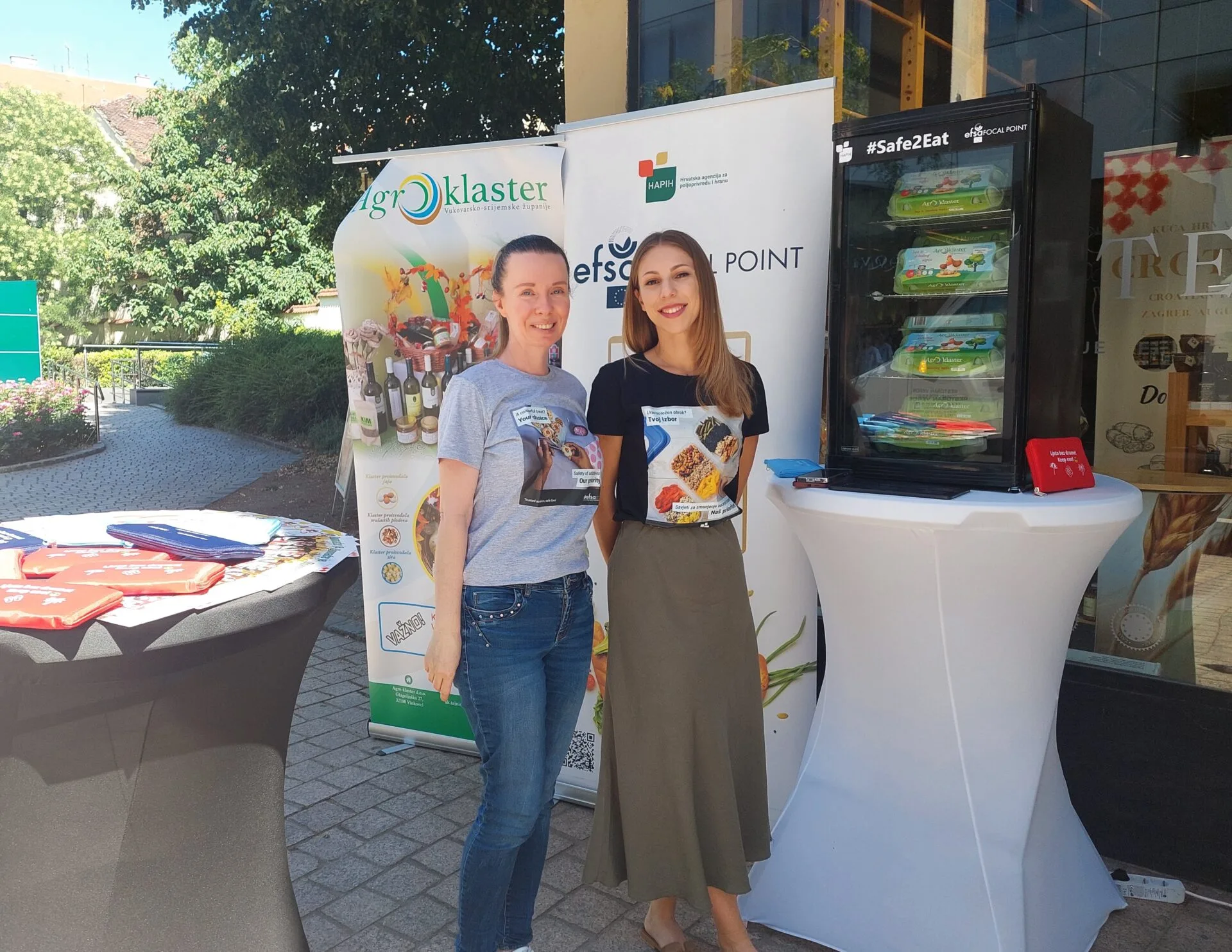
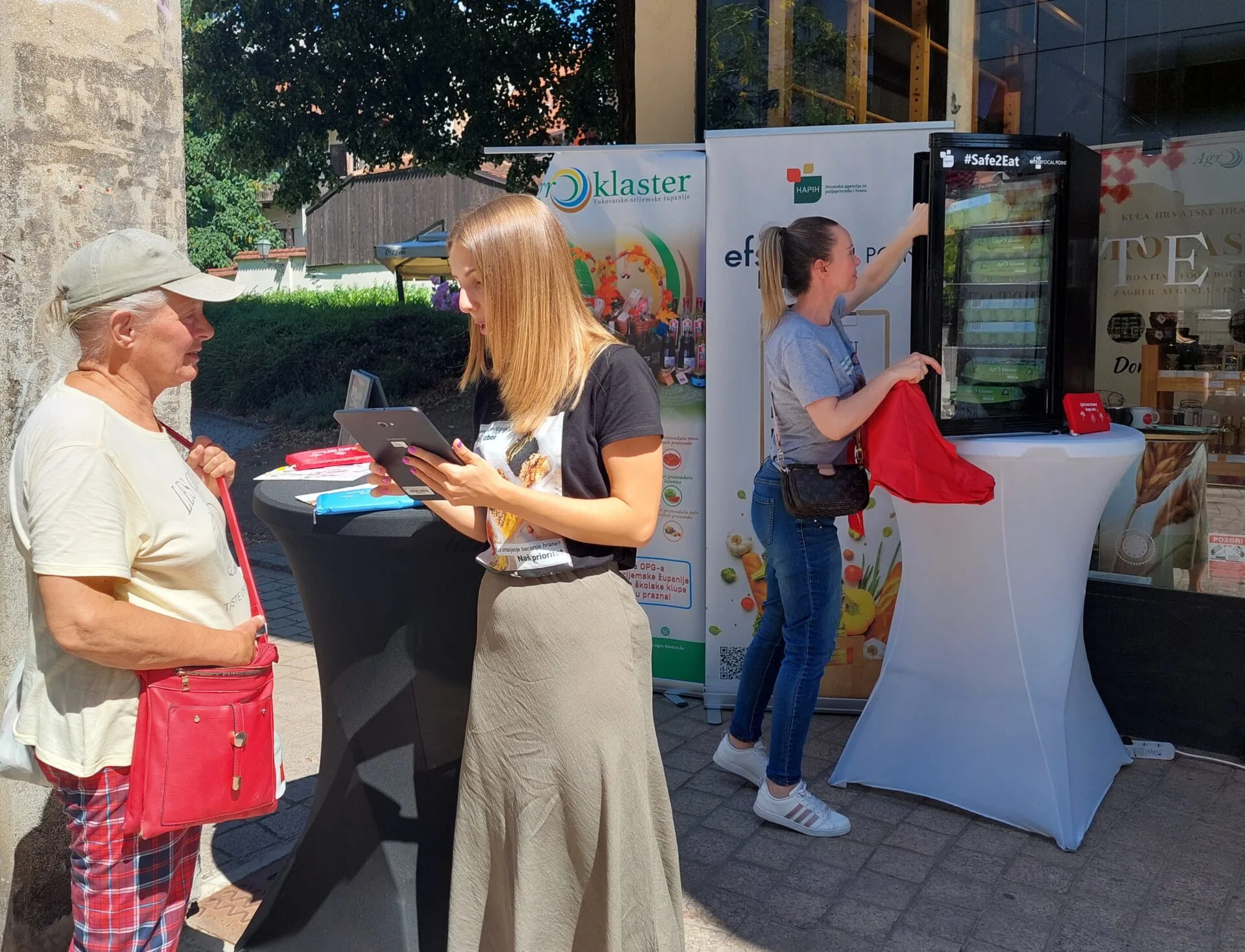
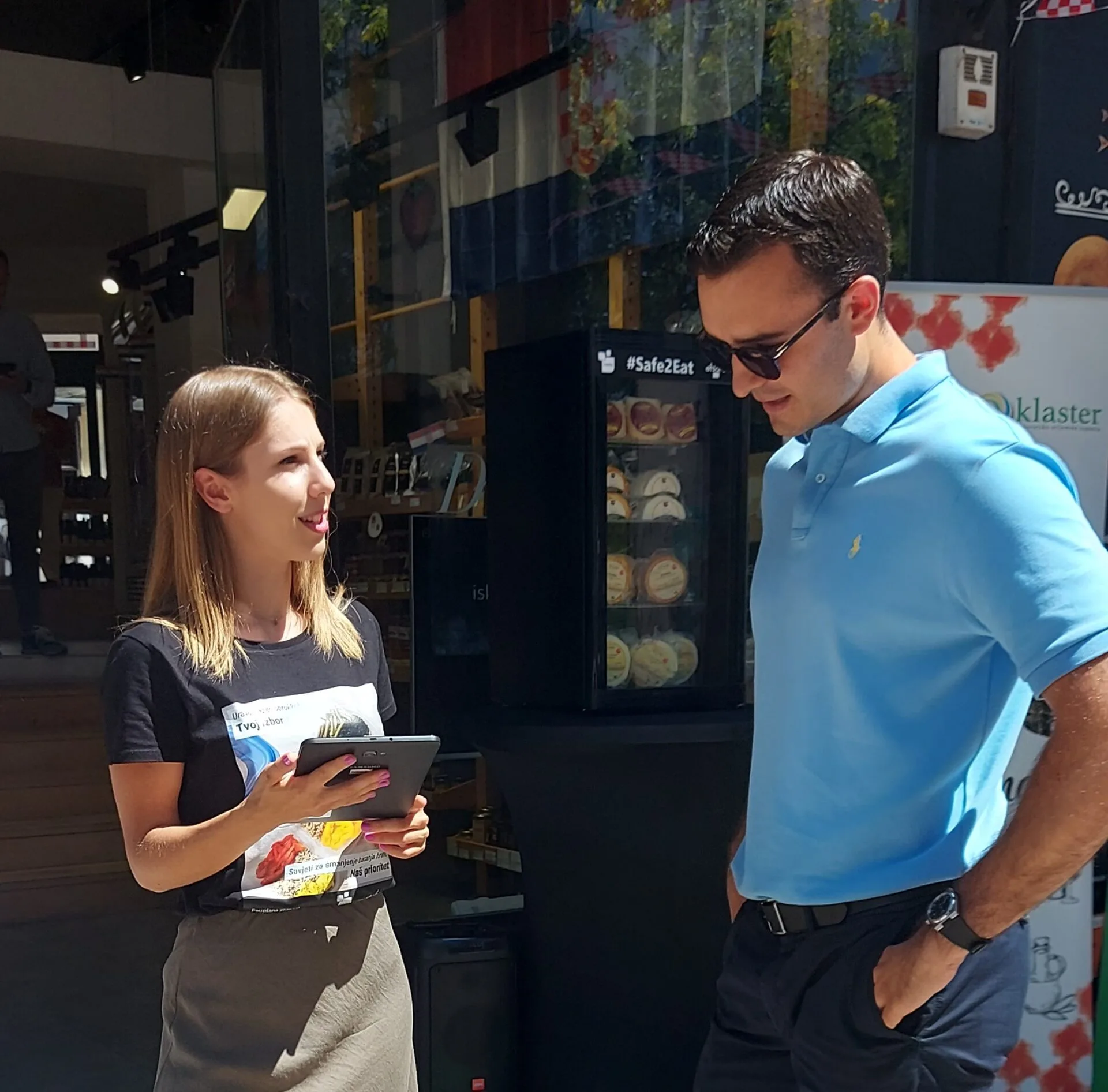
As part of the Safe2Eat campaign promotional activities, the Croatian Agency for Agriculture and Food (HAPIH), in cooperation with the Egg Production Cluster and Agro-cluster of Vukovar-Srijem County, organized an interactive educational event aimed at raising awareness among citizens about the importance of food safety during the summer months. Through an engaging and accessible approach, the event highlighted that ensuring food safety is a shared responsibility – not only of food producers and competent authorities, but also of consumers through their everyday choices and actions.
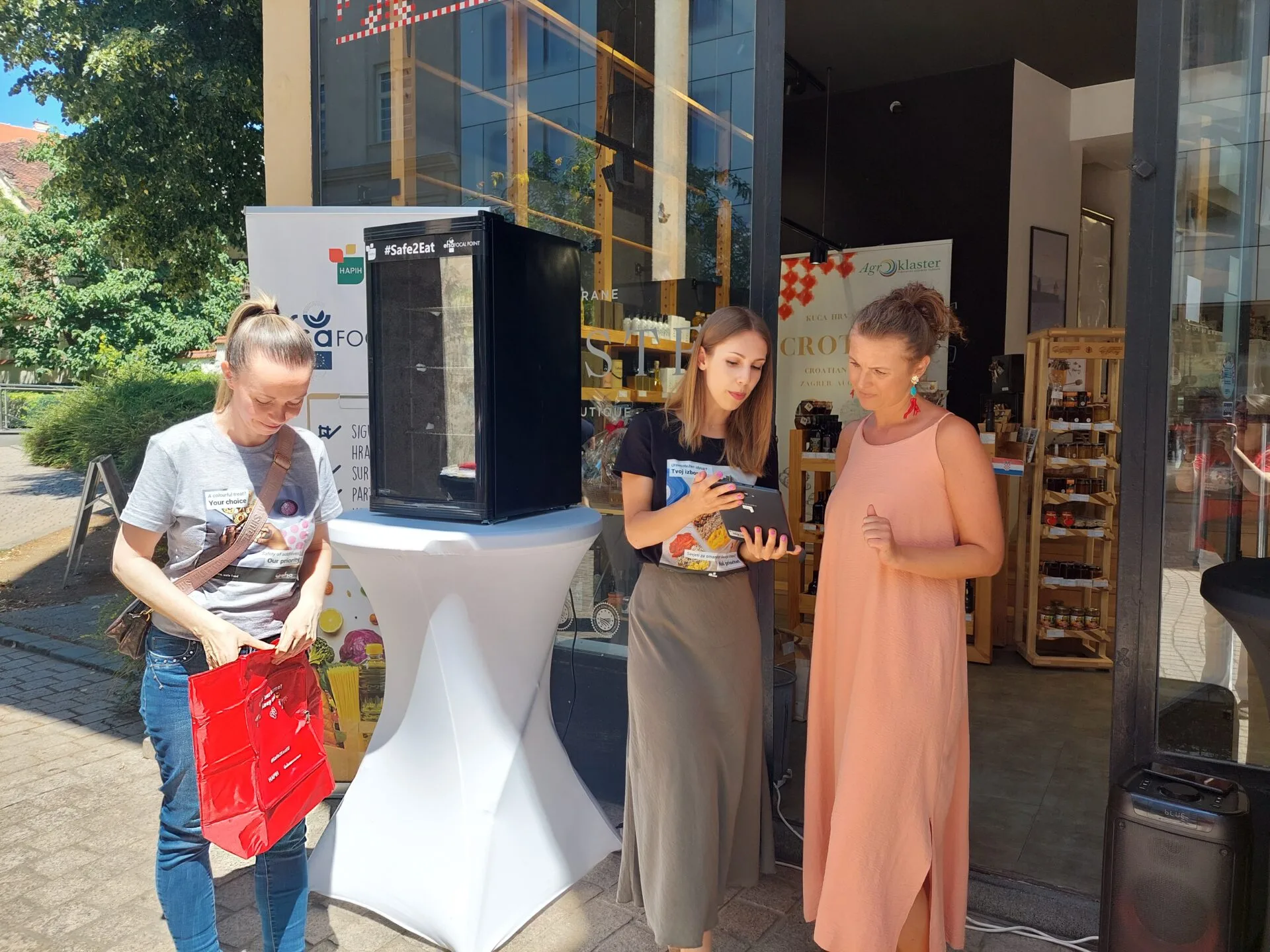
All interested citizens of Zagreb had the opportunity to test their knowledge of everyday food safety situations commonly encountered during the summer months. The questions addressed key food safety topics, including proper storage conditions for perishable foods, maintaining the cold chain during food transport, identifying the “danger zone” temperatures, preventing cross-contamination during food preparation, and correctly interpreting food date labels.
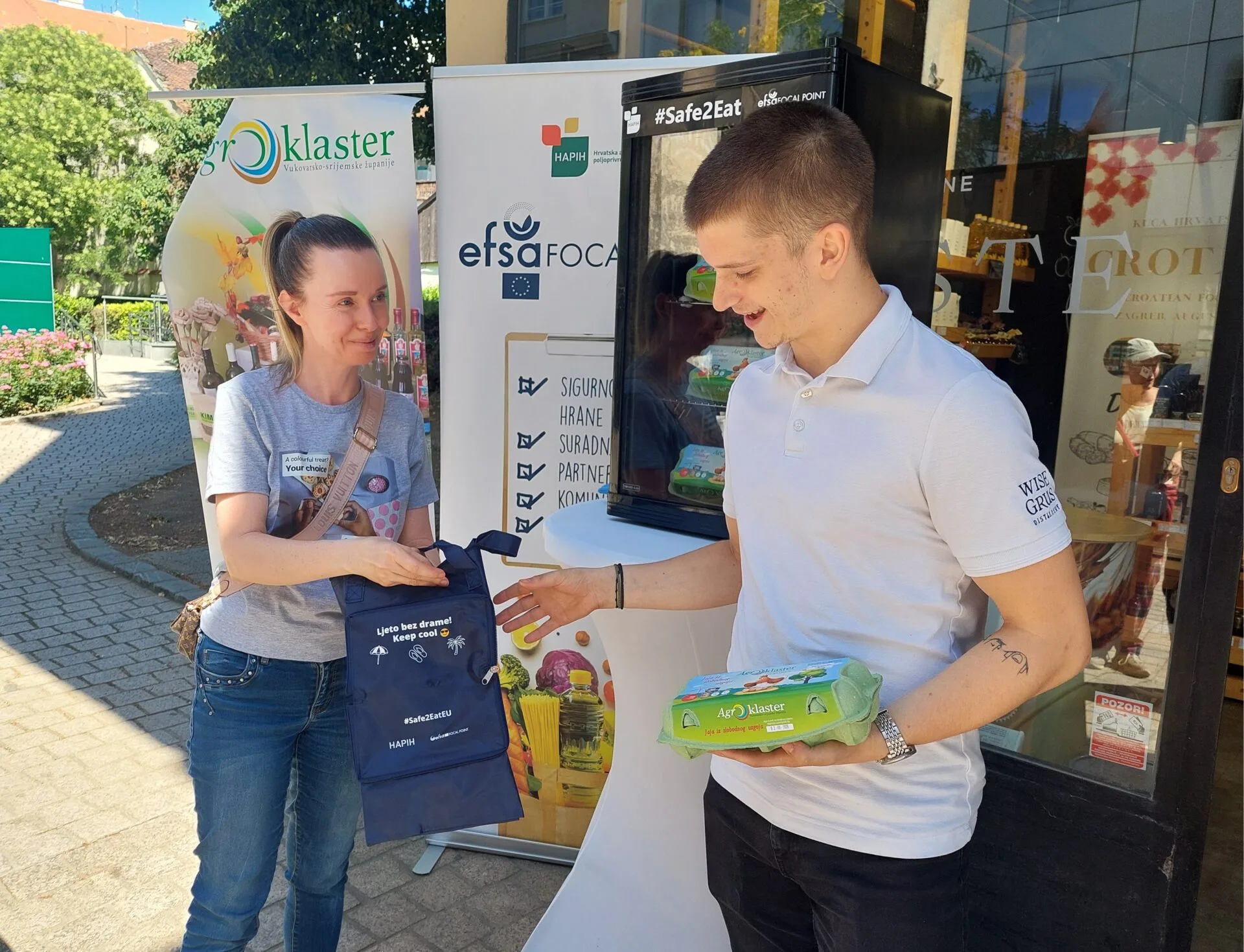
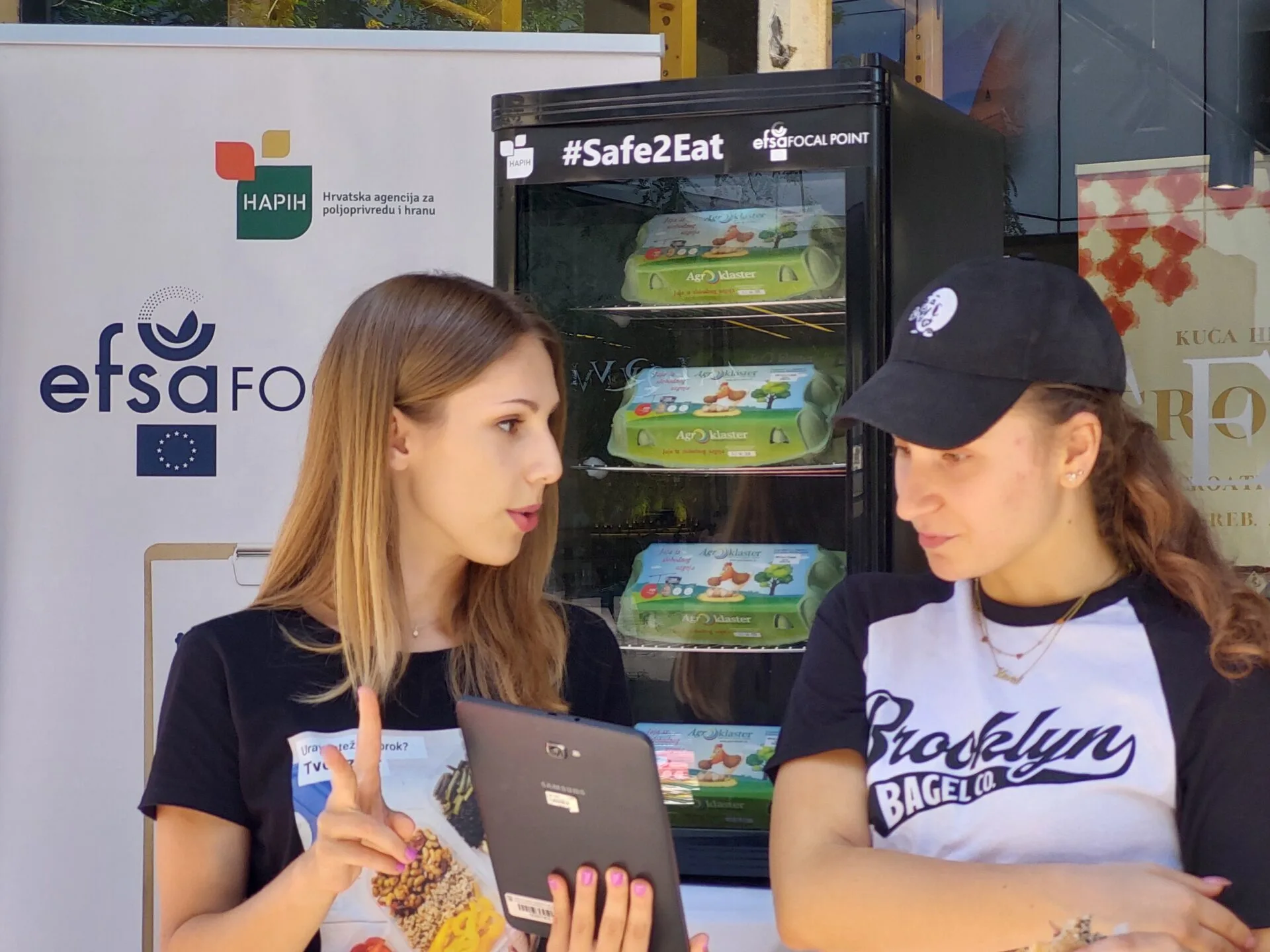
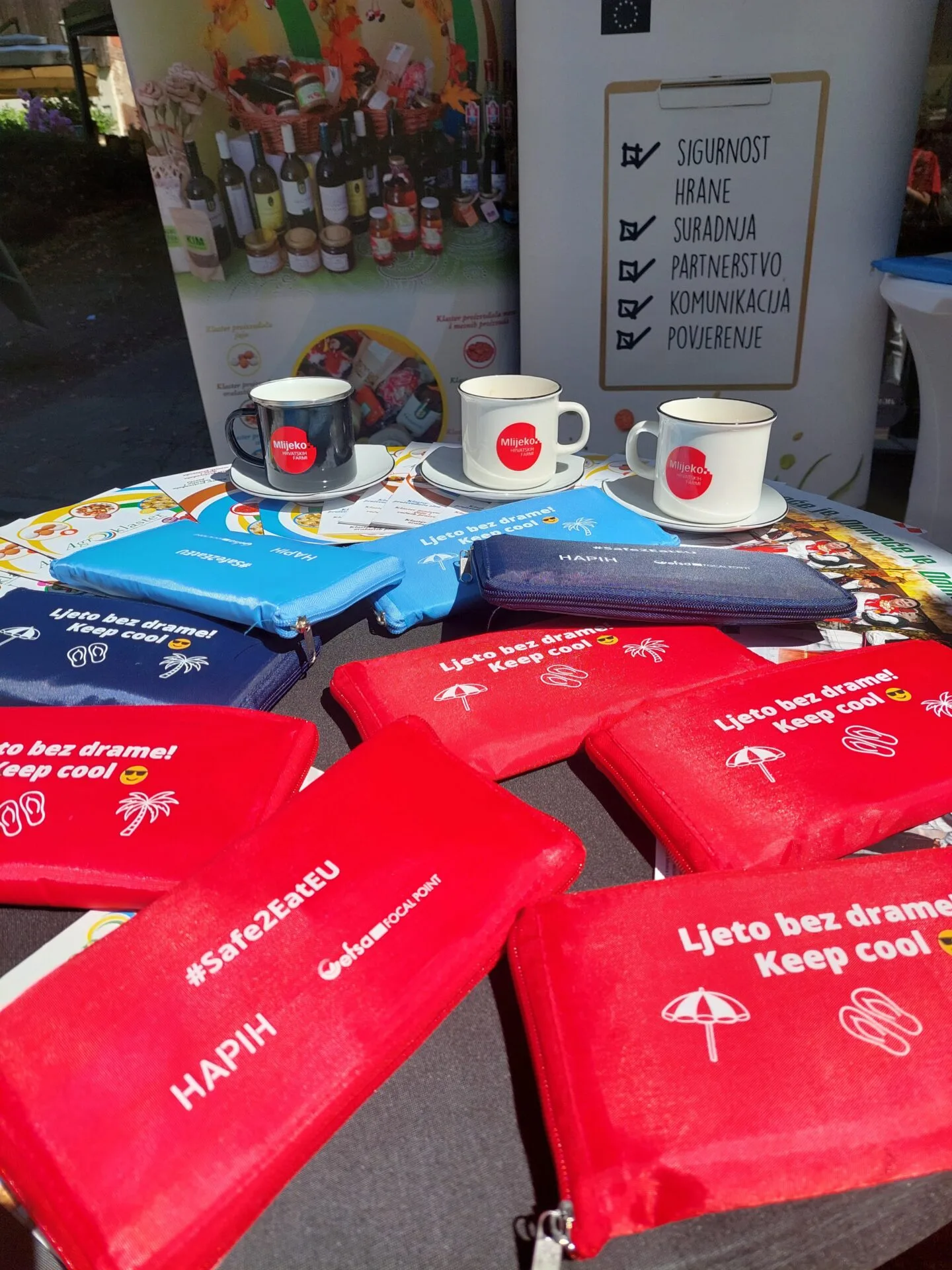
After completing the quiz, participants received additional explanations of the correct answers from HAPIH experts, along with practical advice on safe food handling during the summer heat. Participants were also awarded topic-related prizes, including cooler bags and local products. These prizes served as a symbolic reminder of the importance of maintaining the cold chain during summer food shopping, travelling and outdoor activities, as well as the value of supporting local agri-food producers.
During conversations with participants, experts highlighted that pathogenic microorganisms can multiply most rapidly within the temperature range of 5 °C to 60 °C. Therefore, maintaining perishable food at temperatures below 5 °C is essential to ensure food safety. This can be particularly challenging during the summer months, not only when transporting food from the store to home, but also during outdoor activities such as beach visits, picnics or day trips. To help maintain the cold chain and prevent the growth of harmful microorganisms, the use of cooler bags and portable refrigerators equipped with cooling packs is recommended.
Furthermore, experts reminded citizens of the importance of proper food preparation practices and the safe storage of cooked food. Thorough cooking, including ensuring that the internal temperature of food reaches at least 70 °C, is essential to eliminate or reduce the presence of harmful microorganisms. Cooked food should not be left at room temperature for more than two hours, as this may allow microorganisms to multiply. Particular emphasis was placed on preventing cross-contamination by using separate utensils and equipment for the preparation of raw and cooked foods, as well as by maintaining proper hygiene of hands, utensils and surfaces.
The difference between the two types of date marking on food products was also emphasized. Experts explained that the “Use by” date relates to food safety, meaning that food should not be consumed after this date, as it may no longer be safe. On the contrary, the “Best before” date refers to food quality, and products carrying this label may still be safe to consume after the indicated date, provided they have been stored appropriately, the packaging remained intact, and there are no signs of spoilage.
The Safe2Eat campaign, which HAPIH has been implementing as a national ambassador for the sixth consecutive year in cooperation with the European Food Safety Authority (EFSA), aims to empower citizens across Europe to make informed decisions about the food they consume. Through practical, science-based advice, the campaign promotes awareness of food safety, supports the correct understanding of food labels, encourages practices that help prevent foodborne diseases, and contributes to reducing food waste. Through the campaign, HAPIH and EFSA remind citizens that food safety begins at home – with proper food storage, preparation, and an informed understanding of the information provided on food packaging.